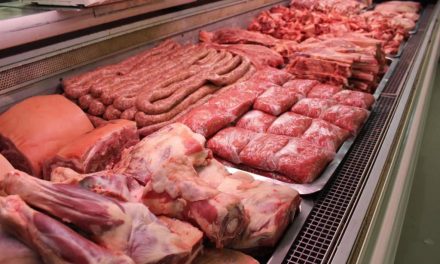
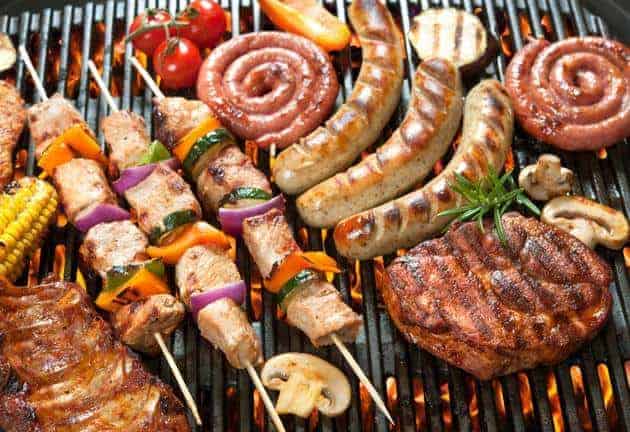

A Shisa Nyama business is a very unique South African thing. Apart from the food offerings, a Shisa Nyama is more than just a type of food service; it is a cultural experience. Starting a Shisa Nyama business in South Africa is very profitable. A Shisa Nyama is a place where people can buy meat and braai, and it can also offer a variety of other meals, beverages, wines and alcohol. People from various walks of life go to the Shisa Nyama to socialise with other people, and to braai meat, eat food and drink. They can listen to good local music, while at the same time reconnecting to their roots and interacting with friends and family. These food joints are becoming popular among many South Africans from all walks of life. Shisa Nyama places have become increasingly popular with tourists as well. They have even become popular places for people living outside of townships to visit.
Due to their rise in popularity, many Shisa Nyama businesses have spread to other areas outside of townships, and many other countries outside of South Africa have adopted the business model. Well-known names such as Mzoli’s in Gugulethu, Cape Town, and Centurion Shisanyama in Gauteng have shown just how far a humble “buy and braai” can go, turning into thriving enterprises that attract large crowds of locals and tourists alike. The food sector has been growing due to the growth of the tourism sector and an increase in income. As a result, more people have been eating out in addition to the various events held by companies and individuals. More than R55 billion per year is generated by the food and beverages industry. There are a number of reasons for this, including events, festivals and gatherings that are held yearly. Families, friends, and co-workers are always in need of recreational activities including eating out. Thus, opening a Shisa Nyama is a lucrative business that one can explore. This article will outline how to start a Shisa Nyama business in South Africa, and the Shisa Nyama business plan – PDF, Word, and Excel.
A Shisa Nyama restaurant business is a lucrative business that has been providing income for many entrepreneurs, but there are some essential factors you need to consider before you venture into this kind of business. Some of these factors include the size of your facilities; location, the kind of entertainment you will offer, your menus, and the food you intend to provide, plus your target market. These factors will be affected by the amount of capital you have. Thus, you should carry out a feasibility study, market research and have a good shisa nyama business plan before you venture into this business.
Is a Shisa Nyama Business Profitable?
A shisa nyama business is one of the most profitable township and food service ventures in South Africa, largely because it has relatively low barriers to entry compared to a full restaurant. The margins on braaied meat and beverages are healthy, the customer base is loyal and repeat-driven, and weekends bring high-volume trade. A small township shisa nyama can be started lean, while an upmarket establishment can grow into a multi-location enterprise. As with any venture, profitability depends on your location, your costs, your pricing, and how well you run the business, which is exactly why a detailed shisa nyama business plan is so important before you start.
Business Model
A Shisa Nyama business model is similar to that of a restaurant. The word itself, “shisa nyama”, literally means “burn the meat” in Zulu. Shisa Nyama started off as a way for butchers to increase sales over the weekends. These butcheries barbecued meat for their clients and sold it to them. This was usually done in the townships of South Africa. The meat had to be cooked over hot coals. Today, it is one of South Africa’s most delicious and social ways of eating out. You can now provide various kinds of dishes, and beverages at your Shisa Nyama. In addition, you can offer entertainment in the form of music, live performances, or have DJs over. A Shisa Nyama can be another revenue generating service if you run a butcher shop. Shisa Nyama braai meat is traditionally cooked over a wood fire, but it can also be cooked over charcoal rather than gas. The meals are usually served with sides such as pap, cooked maize meal, a spicy relish, salads, or corn on the cob. You can also offer popular South African meals like kotas and bunny chows.
How to Start a Shisa Nyama Business in South Africa: Step by Step
If you want to start a shisa nyama business, the following steps will guide you from idea to opening day. Each of these steps should be addressed in detail in your shisa nyama business plan:
- Do your market research and feasibility study. Understand your target market, your competitors and the demand in your chosen area.
- Write your shisa nyama business plan. Document your concept, costs, funding needs, marketing and financial projections.
- Choose and secure your location and premises. Find a high-traffic, accessible site with enough space for braai, seating, kitchen and parking.
- Register your business and obtain your licences. Register with CIPC and SARS, and obtain your Certificate of Acceptability and, if needed, a liquor licence.
- Buy your equipment and set up your premises. Install braai stands, refrigeration, seating, signage, sound and entertainment systems.
- Source your stock and suppliers. Secure reliable, affordable suppliers of meat, sides and beverages.
- Hire and train your staff. Recruit friendly, efficient cooks, waiters, cashiers, cleaners and security.
- Market your shisa nyama and open. Build your brand, get listed online, run a launch promotion and open your doors.

Market Research
As much as a Shisa Nyama or the braai concept is one thing most South Africans have in common, it is imperative that you research your potential clients. The market is ever-changing, especially when it comes to fast food, takeout, and Shisa Nyamas. The South African food market has become increasingly competitive and saturated, so you need to stay up to date with current industry trends. While demand for takeout food or eating out is increasing, consumers have become price sensitive as a result of the challenging economic climate. There is a survey among some local consumers that showed that most chose to eat street food over fast food. The reason for this was that street food was less expensive. Most Shisa Nyama food outlets have strategically capitalised on this gap in the market by formalising the “street food” product. It is therefore imperative that you determine what differentiates your Shisa Nyama from the rest of the other food outlets. Assessing your market will help you learn what other restaurants and food outlets are doing right and wrong. This way, you can correct what other food outlets are failing to do and meet your customers’ needs. You must remember that market research is an ongoing process. To remain competitive, it is necessary to stay current with the food industry.
Location & Premises
The location of your business is an important decision to make before you start a Shisa Nyama business. It is important that you locate your food service facilities close to your target market. Consider the amount of road traffic and find an easily accessible location where people can park and get service. There are several possible locations, including shopping centres, malls, the CBD, townships, and urban areas. Opening a shisa nyama business close to places that typically have potential for traffic is ideal. It is also important to be strategic about your neighbouring businesses, because you are more than likely to feed into each other instead of competing. The premises of your shisa nyama should be large enough to accommodate the kitchen, sit-in area, braai area, parking space and other facilities. It should be big enough to accommodate the number of clients you intend to serve at any given time. You may also need offices and storage room. The shisa nyama business plan should include the costs of purchasing or leasing the premises.
Competitive Analysis
A competitive analysis is critical, especially when you start a new project or business. A competitive analysis will provide you with information on how other food outlets market their businesses. It will also help you find ways to penetrate the market by filling product or service gaps in areas that your competitors do not serve or fail to serve well. A competitive analysis for a Shisa Nyama food outlet will help you develop a competitive edge that will create a sustainable revenue stream for your business. Take note of your competitors’ strengths and weaknesses. Find out what they are doing right and see if you can apply it to your business model. Take advantage of the gaps you see in order to differentiate yourself. You can operate as a price leader by selling your meat at a competitive rate, or you can offer certain meals that other Shisa Nyama food outlets do not offer.
Licences, Permits and Legal Requirements for a Shisa Nyama Business
Before you open your doors, it is essential that you operate within the law. Because a shisa nyama prepares and serves food, there are specific licences and permits you must obtain. Failure to comply can result in fines or closure, so factor these requirements and costs into your shisa nyama business plan from the start. The main legal requirements are:
- Company registration (CIPC). Register your business with the Companies and Intellectual Property Commission. Doing it yourself costs as little as R175, while using an agent typically costs between R475 and R610.
- Tax registration (SARS). Register your business for tax with the South African Revenue Service.
- Certificate of Acceptability (COA). This is a legal requirement for any business that handles, prepares, stores or sells food. It is issued by your local municipality’s Environmental Health Department and confirms that your premises comply with Regulation R638 of the Foodstuffs, Cosmetics and Disinfectants Act. You cannot legally operate a food business without it.
- Food safety and hygiene training. Under Regulation R638, the person in charge and your food handlers must complete accredited food safety training before a COA can be issued. Person-in-charge training costs around R1,650, and food handler training costs roughly R420 to R650 per person.
- Zoning and trading permission. Your premises must be zoned for commercial or business use. If it is not, you will need special permission or a zoning certificate from your municipality.
- Liquor licence. If you intend to sell alcohol, you must obtain a liquor licence from your provincial liquor authority. The application fee is usually between R2,000 and R7,000, but the total cost of obtaining the licence (including professional and legal assistance) often ranges from R20,000 to R45,000, and the process can take several months.
- Other requirements. Depending on your setup, you may also need a fire compliance certificate, a gas certificate of conformity (if you use gas), and public liability insurance.
It is always best to contact your local municipality to understand the specific by-laws and regulations that apply in your chosen area.
Equipment for a Shisa Nyama Business
You need various kinds of equipment for your shisa nyama business, and the type of equipment you require will depend on the size of your facility plus the kind of food and beverages you will serve your clients. Some essential equipment includes braai stands and drums, grills, stoves, ovens, refrigerators and freezers, cooking utensils, and cutlery, among other things. Basic braai stands can be bought from as little as R550, while larger commercial braai setups cost considerably more. You may need to buy sound equipment and televisions for entertainment, depending on the entertainment you plan on offering. You will also need a point of sale (POS) system to manage your sales and stock, which can run as a mobile application or as a dedicated hardware system. The costs of purchasing the equipment should be included in your shisa nyama business plan.
How Much Does It Cost to Start a Shisa Nyama Business in South Africa?
One of the most common questions aspiring entrepreneurs ask is how much it costs to start a shisa nyama business. The honest answer is that it depends on your location, the size of the business, and how upmarket you want to make it. A small township operation can be started lean for as little as R20,000 to R50,000 if you start small and grow gradually. A small-to-medium establishment will generally cost between R120,000 and R475,000 to set up properly. At the upper end, a franchise such as ChesaNyama can cost around R20,000 per square metre (excluding VAT), and some established franchise models have cost between R470,000 for a fast-food concept and R904,000 for a full restaurant.
The table below gives an estimated startup cost breakdown for a small-to-medium shisa nyama business. These are approximate figures and will vary depending on your scale, location and choices. Your shisa nyama business plan should contain a detailed, customised version of this breakdown.
| Startup Item | Estimated Cost (ZAR) |
|---|---|
| Business registration (CIPC) | R175 – R600 |
| Certificate of Acceptability & food safety training | R5,000 – R15,000 |
| Liquor licence (if selling alcohol) | R20,000 – R45,000 |
| Premises (deposit, first months’ rent or lease setup) | R10,000 – R60,000 |
| Braai stands, drums and grills | R3,000 – R25,000 |
| Refrigerators and freezers | R15,000 – R60,000 |
| Tables, chairs and seating or shade area | R10,000 – R50,000 |
| Sound system, television and entertainment | R8,000 – R40,000 |
| Point of sale (POS) system | R3,000 – R20,000 |
| Signage and branding | R3,000 – R15,000 |
| Cooking utensils, cutlery and crockery | R3,000 – R15,000 |
| Initial stock (meat, sides and drinks) | R10,000 – R50,000 |
| Working capital (first 3 months) | R20,000 – R80,000 |
| Estimated Total (small to medium scale) | R120,000 – R475,000 |
As you can see, the costs add up quickly, which is why proper planning and budgeting are so important.
Products
Your target niche will determine the kind of meals to sell. It is advisable to create attractive menus with different kinds of local and exotic meals in order to attract various types of customers to your business. It is also very important for a food services company to source food ingredients from the right suppliers. Consider developing relationships with suppliers who can provide affordable and quality ingredients consistently. The shisa nyama can offer different kinds of meat including beef, chicken, fish, sausages, goat meat, pork, and lamb that can be braaied, deep fried, grilled, or stewed. You can also offer pap, rice, fries and various salads to accompany the braaied meat, as well as popular favourites such as kotas and bunny chows. The shisa nyama can also offer drinks, wines, alcohol and other beverages. The shisa nyama menu can also include desserts, different flavoured pudding, ice-cream, cakes and pastries. Products which you intend to sell should be included in the shisa nyama business plan.
Staff & Management
As a customer-centric shisa nyama food service business, it is important that you hire employees who are friendly and efficient. Your employees should be passionate about serving your clients. If you want to hit the ground running, it is better to hire a team of people who have experience in this business. Your cooks and chefs should be able to prepare good and attractive meals, and your waiters and other staff members should be able to serve customers efficiently on a regular basis. Inexperienced staff members need to go through extensive training before they can be given intricate tasks. Keep in mind that the equipment and machinery used for a food service company can cause serious injury. Ensure that you take the necessary precautions when operating your facilities.
Depending on the size of your business, the actual number of your staff will vary. However, you will generally need cashiers, cooks, waiters, cleaners, security, as well as management. Your shisa nyama business plan should cater for the salaries of all your employees.
Some of the day-to-day operations of this business involve:
- Food preparation
- Liaising with suppliers
- Sales and communicating with customers
- Preparing and organising entertainment
- Managing staff
- Marketing and advertising
It is essential to take great care when you handle food products and beverages. Food contamination can cause health issues. There is a need for you to adhere to all industry related health and safety measures in place. These safety measures cover the cleanliness of your environment, how your staff members dress, plus how and where food is prepared and stored, among other issues. Businesses related to the preparation and serving of food can carry great risk, which is why adhering to health regulations is important.
Marketing and Sales Strategies
There are so many ways you can market your Shisa Nyama, and one of them is by creating a brand. Your Shisa Nyama brand identity represents your business’s personality, the tone of your content, and the emotions you want to inspire in your potential customers. When thinking about your Shisa Nyama brand, think about the most popular food outlets and what they are known for. Determine who your target audience is and tailor marketing strategies that will appeal to them. Take advantage of social media and get listed on various local restaurant applications to attract more clients. Also encourage your clients to leave positive reviews on your social media platforms, as well as on any other listings. Lastly, make sure that you frequently update your online pages with photos, menus, discounts or offers you may have at your Shisa Nyama.
Funding Your Shisa Nyama Business
One of the biggest challenges aspiring shisa nyama owners face is raising the capital to start. The good news is that there are several funding options available in South Africa, especially for youth and township enterprises. A well-prepared shisa nyama business plan is essential when applying to any of these, as funders want to see that you understand your numbers and your market. Some of the funding options to consider include:
- National Youth Development Agency (NYDA). The NYDA Grant Programme offers non-repayable grants ranging from R1,000 to a maximum of R200,000 for individuals and youth cooperatives, and up to R250,000 for agriculture and technology-related projects. Applicants must be under the age of 35, and the business turnover must not exceed R750,000.
- Small Enterprise Development and Finance Agency (SEDFA). Formed from the merger of SEDA and SEFA, SEDFA provides funding and development support for small businesses, including township and rural entrepreneurs through blended finance.
- Township and Rural Entrepreneurship Programme (TREP). Run through the Department of Small Business Development, this programme supports informal and township enterprises with grants and non-financial support.
- National Empowerment Fund (NEF). The NEF provides finance to black-owned and managed businesses across South Africa.
- Presidential Small Business and Cooperatives Fund. Launched in late 2024 with a R10 billion allocation over 5 years to support small businesses and cooperatives.
- Bank loans. Commercial banks offer small business loans, although these usually require security and a solid business plan.
- Stokvels, family and friends. Many township businesses are started with pooled savings from stokvels or contributions from family and friends.
When applying for any of these, make sure your business is registered, that you are tax compliant, and that you have a professional shisa nyama business plan ready.
Market
The market for shisa nyama products is large and ever-increasing, especially if you choose a good location. Many people enjoy eating out and unwinding at Shisa Nyama outlets after work or school and on weekends. It is important that you provide an entertaining environment, offer good quality food, and have customer-friendly employees. Apart from the obvious advantages of becoming financially independent and becoming your own boss, operating a shisa nyama business is a profitable way of uplifting your community. The South African market is one of the leading emerging economies on the African continent, and there is potential for high growth, especially when it comes to the food and beverages sector. This sector has been growing steadily for over a decade, and so opening a shisa nyama business is a good investment.
Whether you are a young entrepreneur, a professional seeking to start your own business, or someone who needs a retirement plan, investing in a shisa nyama business is something worth considering. There is always demand for food, beverages and entertainment services in the country due to sporting events, food and wine fairs, funerals, festivals, corporate events and regular eating out all year round, so running a shisa nyama can be rewarding financially. Also, a shisa nyama is more than a restaurant to many local South Africans. Braaiing and spending time with family and friends at a shisa nyama is a cultural thing. One thing that can set you apart before investing in any venture is developing a business plan. A well thought out shisa nyama business plan will help you in both the short term and long term when it comes to any investment. There are various risks associated with running a shisa nyama business. Like any other venture, your shisa nyama business plan should clearly outline these risks and ways to minimise them.
Keys to Profitability
In terms of profitability, there are two ways you can approach this: either by increasing sales volume or by decreasing overhead expenses. Some of the ways you can increase your Shisa Nyama profits are by increasing sales through effective marketing efforts. Consider improving the customer experience by training your staff and waiters. Your waitstaff’s ability to sell food and beverages is a critical key to making money in your Shisa Nyama food outlet. The difference between a good waiter and a great waiter is their ability to upsell. You can focus on selling specialty beverages or other drinks instead of water, and offer discounts. You should also be generous with your meat to encourage repeat customers, plus you should take advantage of menu psychology by updating your menu layout regularly.
Example Revenue, Expenses and Profit for a Shisa Nyama Business
To give you a realistic picture of how the money works, here is an illustrative monthly profit example for a well-run small-to-medium shisa nyama in a busy township or urban area. These figures are estimates meant to show how a shisa nyama makes money; your own numbers will depend on your size, location, pricing and how busy you are.
Example Monthly Revenue
A shisa nyama earns money from braaied meat, sides and meals, soft drinks, and alcohol, with the higher margins usually coming from beverages and alcohol.
| Revenue Source | Estimated Monthly Revenue (ZAR) |
|---|---|
| Meat sales | R160,000 |
| Sides and meals (pap, salads, kotas, bunny chows) | R45,000 |
| Soft drinks | R30,000 |
| Alcohol and wines | R55,000 |
| Other (events and venue hire) | R10,000 |
| Total Monthly Revenue | R300,000 |
Example Monthly Expenses
Your biggest expenses will be the cost of stock (meat, sides and drinks), staff salaries and rent. The example below assumes the business sells alcohol and employs a small team.
| Expense | Estimated Monthly Cost (ZAR) |
|---|---|
| Cost of meat | R80,000 |
| Cost of sides and meal ingredients | R18,000 |
| Cost of soft drinks | R16,000 |
| Cost of alcohol and wines | R30,000 |
| Rent and premises | R18,000 |
| Salaries and wages (cooks, waiters, cashiers, cleaners, security) | R52,000 |
| Electricity and water | R12,000 |
| Charcoal, wood and gas | R8,000 |
| Marketing and advertising | R5,000 |
| Entertainment (DJ and sound) | R5,000 |
| Packaging and consumables | R4,000 |
| Insurance, licences and compliance (monthly portion) | R3,000 |
| Repairs, maintenance and sundries | R5,000 |
| Total Monthly Expenses | R256,000 |
Example Monthly Profit
| Item | Amount (ZAR) |
|---|---|
| Total Monthly Revenue | R300,000 |
| Total Monthly Expenses | R256,000 |
| Net Monthly Profit (before tax) | R44,000 |
In this example, the business earns a net profit of R44,000 per month, which works out to around R528,000 per year before tax, on a net profit margin of roughly 15%. Food service margins are generally thin, so the way to grow your profit is to increase your sales volume (especially high-margin beverages and alcohol), keep your food costs under control, and run an efficient operation. As your shisa nyama becomes more established and busier, particularly on weekends and during events, both your revenue and your profit can grow well beyond these figures.
Frequently Asked Questions About Starting a Shisa Nyama Business
Is a shisa nyama business profitable in South Africa? Yes. A shisa nyama business can be very profitable, thanks to healthy margins on meat and beverages, a loyal repeat customer base, and high weekend trade. Profitability depends on your location, your costs and how well you run the business.
How much does it cost to start a shisa nyama business? A small township operation can start from as little as R20,000 to R50,000, while a properly set up small-to-medium establishment generally costs between R120,000 and R475,000. Upmarket and franchise operations can cost several hundred thousand rands or more.
Do you need a licence to start a shisa nyama business? Yes. You need to register your business with CIPC and SARS, and you must obtain a Certificate of Acceptability from your municipality to handle and serve food. If you sell alcohol, you also need a liquor licence.
What equipment do you need for a shisa nyama? Essential equipment includes braai stands and drums, grills, refrigerators and freezers, tables and chairs, a sound system and television for entertainment, a point of sale system, signage, and cooking utensils and cutlery.
Where is the best location for a shisa nyama business? The best locations are high-traffic, easily accessible areas close to your target market, with enough space for braai, seating, a kitchen and parking. Townships, busy urban areas, shopping centres and the CBD are all worth considering.
Where can I get funding to start a shisa nyama business? You can apply to the NYDA, SEDFA, the TREP programme, the NEF, the Presidential Small Business and Cooperatives Fund, or commercial banks. Many township entrepreneurs also use stokvels and family contributions. A professional shisa nyama business plan greatly improves your chances of securing funding.
PRE-WRITTEN SHISA NYAMA BUSINESS PLAN (PDF, WORD AND EXCEL): COMPREHENSIVE VERSION, SHORT FUNDING/BANK LOAN VERSION AND AUTOMATED FINANCIAL STATEMENTS
For an in-depth analysis of the shisa nyama business in South Africa, purchase our shisa nyama business plan. We decided to introduce the business plans after noting that many South Africans were venturing into the shisa nyama business without a full understanding of the industry, market, how to run the business, the risks involved, profitability of the business and the costs involved, leading to a high failure rate of their businesses.
Our business plan will make it easier for you to launch and run a shisa nyama business successfully, fully knowing what you are going into, and what’s needed to succeed in the business. It will be easier to plan and budget as the shisa nyama business plan will lay out all the costs involved in setting up and running the business. The business plan is designed specifically for the South African market.
USES OF THE SHISA NYAMA BUSINESS PLAN (PDF, WORD AND EXCEL)
The shisa nyama business plan can be used for many purposes including:
- Raising capital from investors/friends/relatives
- Applying for a bank loan
- Start-up guide to launch your shisa nyama business
- As a shisa nyama project proposal
- Assessing profitability of the shisa nyama business
- Finding a business partner
- Assessing the initial start-up costs so that you know how much to save
- Manual for current business owners to help in business and strategy formulation
CONTENTS OF THE SHISA NYAMA BUSINESS PLAN (PDF, WORD AND EXCEL)
The business plan includes, but not limited to:
- Market Analysis
- Industry Analysis
- 5 Year Automated Financial Statements [ Income statements, cash flow statements, balance sheets, monthly cash flow projections (3 years monthly cash flow projections, the remaining two years annually),break even analysis, payback period analysis, start-up costs, financial graphs, revenue and expenses, Bank Loan Amortisation]
- Marketing Strategy
- Risk Analysis
- SWOT & PEST Analysis
- Operational Requirements
- Operational Strategy
- Why some South Africans in the shisa nyama business fail, so that you can avoid their mistakes
- Ways to raise capital to start your shisa nyama business in South Africa
The Shisa Nyama Business Plan package consist of 4 files
- Shisa Nyama Business Plan – PDF file (Comprehensive – 93 pages)
- Shisa Nyama Business Plan – Editable Word File (Comprehensive – 93 pages)
- Shisa Nyama Business Plan Funding Version – Editable Word File (Short version for applying for a loan – 47 pages)
- Shisa Nyama Business Plan Automated Financial Statements – (Editable Excel file)
The financial statements are automated. This implies that you can change eg the costs, salaries etc, and all the other financial statements will automatically adjust to reflect the change.
GET THE SHISA NYAMA BUSINESS PLAN (PDF, WORD AND EXCEL) - R500 Only.
We decided to make the business plan affordable to anyone who would want to start the business, and the price for the pre-written business plan is only 500 Rand.
We have several payment methods which you can use.
Combined Payment Method (Visa Card, Mastercard, Instant EFT - FNB, Absa, Standard Bank, Nedbank, Capitec Bank, Investec, TymeBank and African Bank. )
Click Buy Now below to purchase. After you have purchased, you will instantly see the download link for the business plan package on the screen. We will also email you the download link. Get instant access to the business plan now!

If you want to purchase multiple business plans at once then click here: Business Plans Store
The business plan package is a zipped compressed file containing the PDF, Word and Excel documents. To open the package after downloading it, just right click, and select Extract All. If you have any problems in downloading and opening the files, email us on sales@bizbolts.co.za and we will assist you.
Other Payment Methods
- Cash deposit into our FNB Company Bank Account
- EFT Transfer to our FNB Company Bank Account
Call/Whatsapp us on +27606334830 for the other payment methods. (Whatsapp us by clicking the link https://wa.me/27606334830). Email: sales@bizbolts.co.za .